Disponsori
  • They see the silver and the stone-faced silence. What they don't see are the miles, the failures, the secrets woven into the very threads of this threadbare cloak.

    I carry this cross not for salvation, but for remembrance—a heavy anchor in a world that’s forgotten itself. I gave up the city’s hollow noise for the truth found in the ruins. I’m not running. I’m waiting. The last keeper. And I will not let it fade.

    #Wanderer #Pilgrim #Keeper #SilverHair #CharacterConcept #UrbanMonk #Cosplay #Storytelling #SilentWitness #Faith #Mystic #Ruins #BoyJunior
    They see the silver and the stone-faced silence. What they don't see are the miles, the failures, the secrets woven into the very threads of this threadbare cloak. I carry this cross not for salvation, but for remembrance—a heavy anchor in a world that’s forgotten itself. I gave up the city’s hollow noise for the truth found in the ruins. I’m not running. I’m waiting. The last keeper. And I will not let it fade. #Wanderer #Pilgrim #Keeper #SilverHair #CharacterConcept #UrbanMonk #Cosplay #Storytelling #SilentWitness #Faith #Mystic #Ruins #BoyJunior
    1 Komentar 0 Bagikan 3849 Tampilan
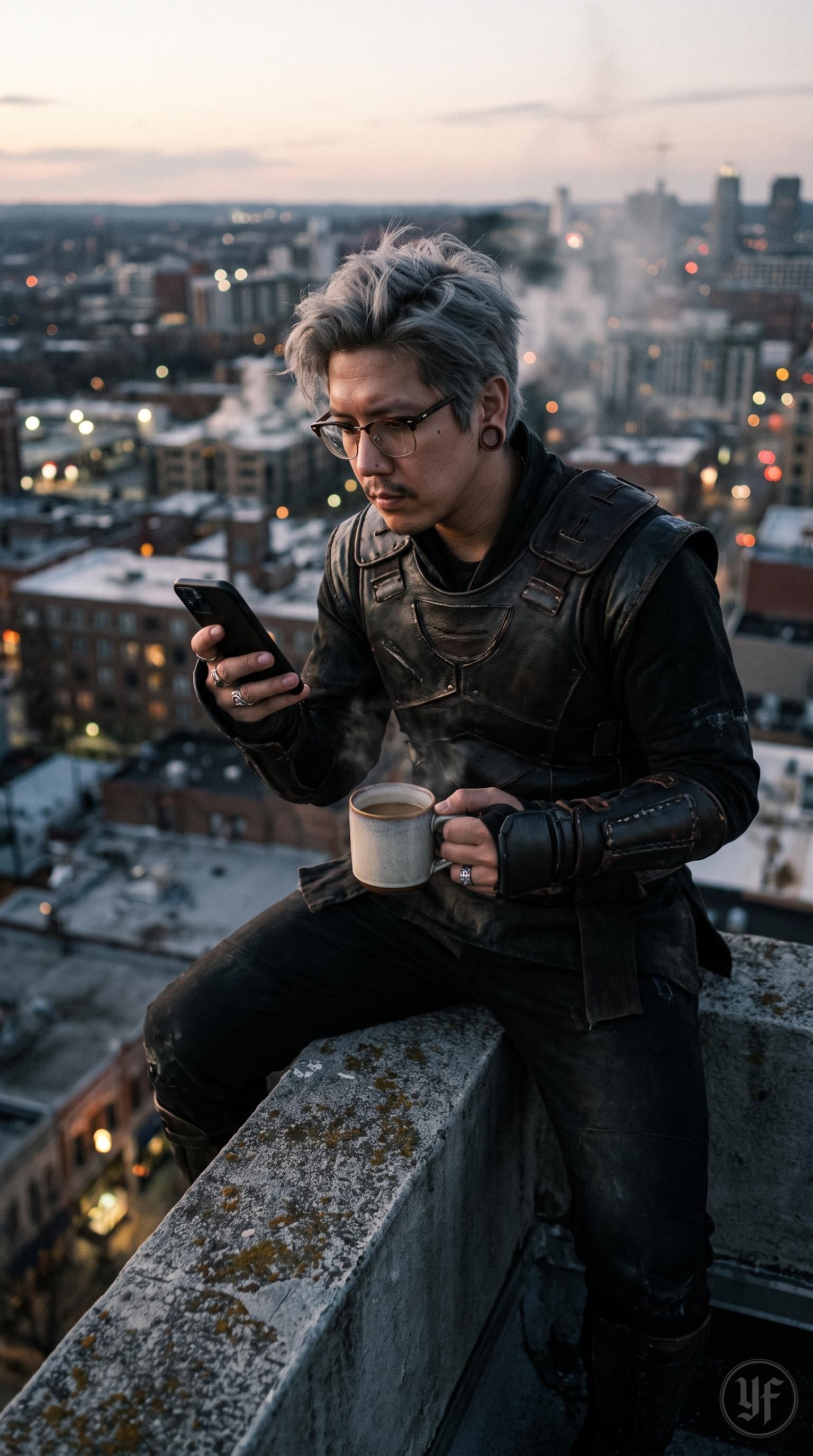
  • Another mission, another dawn. This entire city sleeps, oblivious to the cracks opening up at its edges, the threats that don't make the evening news.

    They see the coffee cup, the quiet moment on the roof, maybe even the fancy new tech in my hands. What they don’t see are the hours spent tracing digital shadows, the sacrifices made in the dark so they can keep dreaming in the light.

    This morning brief? More intel, more trouble brewing. But the armor is locked, the fuel is hot, and I'm ready for whatever tries to crawl out of the cyber-void today. One cup to center myself, then back to the grind. Someone’s gotta do it.

    #SentinelLife #MorningWatch #CityGuardian #NotAllHeroesWearCapesButSomeWearArmor #Espionage #TechandTools #TheQuietHours #BoyJunior
    Another mission, another dawn. This entire city sleeps, oblivious to the cracks opening up at its edges, the threats that don't make the evening news. They see the coffee cup, the quiet moment on the roof, maybe even the fancy new tech in my hands. What they don’t see are the hours spent tracing digital shadows, the sacrifices made in the dark so they can keep dreaming in the light. This morning brief? More intel, more trouble brewing. But the armor is locked, the fuel is hot, and I'm ready for whatever tries to crawl out of the cyber-void today. One cup to center myself, then back to the grind. Someone’s gotta do it. #SentinelLife #MorningWatch #CityGuardian #NotAllHeroesWearCapesButSomeWearArmor #Espionage #TechandTools #TheQuietHours #BoyJunior
    1 Komentar 0 Bagikan 1415 Tampilan
  • SANG PENARI — PART II

    “THE PRICE OF THE FULL MOON”

    After the night Sri Lestari disappeared into the old pavilion hidden among the flooded rice fields, the village no longer saw her as an ordinary woman.

    Something about her had changed.

    And not long after that night, the world finally began to notice her.

    Invitations arrived from everywhere, noble families, wealthy businessmen, government officials, private cultural events in distant cities. People spoke her name with admiration, almost obsession. Wherever Sri Lestari danced, audiences fell silent as if hypnotized by something beyond human beauty.

    The poor farmer’s daughter who once slept beneath a leaking bamboo roof now lived surrounded by silk, gold, and endless luxury.

    But every blessing carried a cost.

    Hidden behind the glamour and applause was a secret no one knew.

    Every Friday night beneath the full moon, Sri Lestari vanished from the human world.

    She always returned to the ancient kingdom of Sang Buto.

    Deep within that supernatural realm of red mist, black wood, and endless gamelan echoes, Sri Lestari belonged to him completely. There, she danced not for fame… but for the creature that had granted her everything she desired.

    At first, she accepted the ritual willingly.

    Because poverty was far more terrifying to her than darkness.

    Years passed.

    Her fame only grew larger, but so did the emptiness inside her. The more people worshipped her, the less human she felt. Men became obsessed after watching her perform. Some spent fortunes just to see her dance once more. Others claimed her movements no longer looked entirely natural.

    And every full moon, Sang Buto waited for her return.

    Like a king guarding something he owned.

    Then, after nearly five years trapped between luxury and damnation, Sri Lestari met someone unexpected.

    A young businessman from the city.

    Unlike the others, he did not look at her with greed or obsession. He spoke to her gently. Calmly. As if she were simply a woman carrying exhaustion behind beautiful eyes.

    For the first time in years, Sri Lestari felt warmth instead of fear.

    Their meetings became more personal. Quiet conversations after midnight. Rain-soaked evenings inside private pavilions. Long nights where Sri Lestari slowly forgot the terrifying promise she once made beneath the full moon.

    She began falling in love.

    And that was the one thing forbidden by Sang Buto.

    Soon, the kingdom changed.

    The air grew colder whenever she returned. The music became slower. Heavier. The shadows inside the pavilion no longer welcomed her the same way.

    Then one night beneath a crimson full moon…

    Sang Buto rose from his throne for the very first time.

    And Sri Lestari finally understood the truth.

    She had never been a guest in his kingdom.

    She was something far worse.

    She was his.


    ---

    Disclaimer: “SANG PENARI” is a fictional horror-folklore story created purely from imagination with the assistance of AI. Any resemblance to real people, places, events, or beliefs is entirely coincidental and unintentional.

    SANG PENARI — PART II “THE PRICE OF THE FULL MOON” After the night Sri Lestari disappeared into the old pavilion hidden among the flooded rice fields, the village no longer saw her as an ordinary woman. Something about her had changed. And not long after that night, the world finally began to notice her. Invitations arrived from everywhere, noble families, wealthy businessmen, government officials, private cultural events in distant cities. People spoke her name with admiration, almost obsession. Wherever Sri Lestari danced, audiences fell silent as if hypnotized by something beyond human beauty. The poor farmer’s daughter who once slept beneath a leaking bamboo roof now lived surrounded by silk, gold, and endless luxury. But every blessing carried a cost. Hidden behind the glamour and applause was a secret no one knew. Every Friday night beneath the full moon, Sri Lestari vanished from the human world. She always returned to the ancient kingdom of Sang Buto. Deep within that supernatural realm of red mist, black wood, and endless gamelan echoes, Sri Lestari belonged to him completely. There, she danced not for fame… but for the creature that had granted her everything she desired. At first, she accepted the ritual willingly. Because poverty was far more terrifying to her than darkness. Years passed. Her fame only grew larger, but so did the emptiness inside her. The more people worshipped her, the less human she felt. Men became obsessed after watching her perform. Some spent fortunes just to see her dance once more. Others claimed her movements no longer looked entirely natural. And every full moon, Sang Buto waited for her return. Like a king guarding something he owned. Then, after nearly five years trapped between luxury and damnation, Sri Lestari met someone unexpected. A young businessman from the city. Unlike the others, he did not look at her with greed or obsession. He spoke to her gently. Calmly. As if she were simply a woman carrying exhaustion behind beautiful eyes. For the first time in years, Sri Lestari felt warmth instead of fear. Their meetings became more personal. Quiet conversations after midnight. Rain-soaked evenings inside private pavilions. Long nights where Sri Lestari slowly forgot the terrifying promise she once made beneath the full moon. She began falling in love. And that was the one thing forbidden by Sang Buto. Soon, the kingdom changed. The air grew colder whenever she returned. The music became slower. Heavier. The shadows inside the pavilion no longer welcomed her the same way. Then one night beneath a crimson full moon… Sang Buto rose from his throne for the very first time. And Sri Lestari finally understood the truth. She had never been a guest in his kingdom. She was something far worse. She was his. --- Disclaimer: “SANG PENARI” is a fictional horror-folklore story created purely from imagination with the assistance of AI. Any resemblance to real people, places, events, or beliefs is entirely coincidental and unintentional.

    Love
    1
    0 Komentar 0 Bagikan 2753 Tampilan
  • SANG PENARI (THE DANCER)

    People in Kedungrejo still avoid the rice fields after midnight.

    The older villagers say there are nights when the sound of gamelan drifts across the empty paddies even though no celebration is taking place. No wedding. No harvest ritual. No musicians.

    Just the music.

    Soft. Distant. Hollow.

    And whenever it happens, mothers pull their children indoors and lock the wooden doors before the fog rolls in.

    Because they believe the dancer is walking again.

    Years ago, before the whispers and disappearances, Sri Lestari was nothing more than a poor farmer’s daughter living at the edge of the village. Her family survived inside a collapsing bamboo house surrounded by muddy fields and stagnant water. During heavy rain, the roof leaked so badly that metal buckets lined the floor every night.

    Her father spent his life bent over rice paddies until sickness slowly destroyed his lungs. Her mother worked endlessly for scraps of money that were never enough.

    But Sri Lestari carried something the village could not ignore.

    She danced.

    Not like the other girls during village festivals. Not rehearsed. Not ordinary. When the gamelan began to play, her body moved with an unnatural grace that silenced entire crowds. Even the elders admitted there was something unsettling about the way she stared into empty space while dancing, as if she could hear another rhythm hidden beneath the music.

    The villagers admired her.

    Sri Lestari hated them for it.

    Their praise meant nothing when she still had to sleep beneath a leaking roof and wake before sunrise to work in the mud. Deep inside, she wanted more than survival. She wanted to escape Kedungrejo. She wanted wealth, admiration, and a life where people would remember her name long after she was gone.

    Then one night, a traveling dance troupe from the city arrived for a performance.

    Sri Lestari watched from the shadows as the audience stared at those dancers with awe she had never received herself. Silk costumes shimmered beneath lantern light. Their names were announced proudly. People applauded them like royalty.

    That night, envy rooted itself deep inside her heart.

    After that, strange things began happening.

    Her performances became mesmerizing in ways the villagers could not explain. People cried while watching her dance. Some claimed they felt dizzy or breathless whenever she looked directly at them. Others swore her movements no longer seemed entirely human.

    Then came the night of the harvest festival.

    Walking home alone through the flooded rice fields, Sri Lestari heard gamelan music echoing from somewhere deep within the darkness.

    Slow.

    Ancient.

    Calling.

    Against all reason, she followed it.

    Through mud and cold mist, she wandered farther into the paddies until she discovered an old pavilion standing alone in the middle of the fields, a structure no villager had ever spoken about before.

    Its wooden pillars were rotting. Torn red cloth hung from the ceiling beams. Oil lamps flickered weakly in the fog.

    And inside the pavilion…

    something enormous sat waiting in the dark.

    Its body looked almost carved from burnt wood and wet soil. Its breathing was heavy and animal-like. Thin strands of hair hung over a face that barely resembled anything human.

    The creature never moved.

    It simply watched her.

    And instead of running…

    Sri Lestari stepped closer.

    As if some part of her had been searching for that place her entire life.


    ---

    Disclaimer: “SANG PENARI” is a fictional horror story created purely from imagination with the assistance of AI. Any resemblance to real people, places, beliefs, or events is entirely coincidental and unintentional.

    SANG PENARI (THE DANCER) People in Kedungrejo still avoid the rice fields after midnight. The older villagers say there are nights when the sound of gamelan drifts across the empty paddies even though no celebration is taking place. No wedding. No harvest ritual. No musicians. Just the music. Soft. Distant. Hollow. And whenever it happens, mothers pull their children indoors and lock the wooden doors before the fog rolls in. Because they believe the dancer is walking again. Years ago, before the whispers and disappearances, Sri Lestari was nothing more than a poor farmer’s daughter living at the edge of the village. Her family survived inside a collapsing bamboo house surrounded by muddy fields and stagnant water. During heavy rain, the roof leaked so badly that metal buckets lined the floor every night. Her father spent his life bent over rice paddies until sickness slowly destroyed his lungs. Her mother worked endlessly for scraps of money that were never enough. But Sri Lestari carried something the village could not ignore. She danced. Not like the other girls during village festivals. Not rehearsed. Not ordinary. When the gamelan began to play, her body moved with an unnatural grace that silenced entire crowds. Even the elders admitted there was something unsettling about the way she stared into empty space while dancing, as if she could hear another rhythm hidden beneath the music. The villagers admired her. Sri Lestari hated them for it. Their praise meant nothing when she still had to sleep beneath a leaking roof and wake before sunrise to work in the mud. Deep inside, she wanted more than survival. She wanted to escape Kedungrejo. She wanted wealth, admiration, and a life where people would remember her name long after she was gone. Then one night, a traveling dance troupe from the city arrived for a performance. Sri Lestari watched from the shadows as the audience stared at those dancers with awe she had never received herself. Silk costumes shimmered beneath lantern light. Their names were announced proudly. People applauded them like royalty. That night, envy rooted itself deep inside her heart. After that, strange things began happening. Her performances became mesmerizing in ways the villagers could not explain. People cried while watching her dance. Some claimed they felt dizzy or breathless whenever she looked directly at them. Others swore her movements no longer seemed entirely human. Then came the night of the harvest festival. Walking home alone through the flooded rice fields, Sri Lestari heard gamelan music echoing from somewhere deep within the darkness. Slow. Ancient. Calling. Against all reason, she followed it. Through mud and cold mist, she wandered farther into the paddies until she discovered an old pavilion standing alone in the middle of the fields, a structure no villager had ever spoken about before. Its wooden pillars were rotting. Torn red cloth hung from the ceiling beams. Oil lamps flickered weakly in the fog. And inside the pavilion… something enormous sat waiting in the dark. Its body looked almost carved from burnt wood and wet soil. Its breathing was heavy and animal-like. Thin strands of hair hung over a face that barely resembled anything human. The creature never moved. It simply watched her. And instead of running… Sri Lestari stepped closer. As if some part of her had been searching for that place her entire life. --- Disclaimer: “SANG PENARI” is a fictional horror story created purely from imagination with the assistance of AI. Any resemblance to real people, places, beliefs, or events is entirely coincidental and unintentional.
    Love
    1
    0 Komentar 0 Bagikan 3096 Tampilan
  • The Night the Sky Declared War

    For a brief moment, I believed I had finally found a city untouched by the sickness consuming the world.

    After surviving the endless mechanical train crossing the dead desert, I arrived at a trading city hidden between mountains and canals, a place where steam and faith still lived together in harmony. Lanterns glowed warmly above crowded streets. Engineers worked beside monks. Children laughed beneath drifting clouds of steam while merchants filled the canals with music and light.

    And above it all stood the unfinished Buddha carved into the mountain stone.

    Sixty meters tall.

    Half sculpture, half prayer.

    Unlike the monstrous machines I had witnessed elsewhere, the statue did not feel like humanity trying to rival God. It felt like humanity remembering humility.

    I should have known peace like that could never survive in this age.

    The night the war began, I was standing on a wooden balcony overlooking the city canals with a cup of tea warming my hands. The full moon hung high above the valley while the Buddha watched silently over the sleeping streets below.

    Then the wind changed.

    At first I mistook the shadows crossing the moon for storm clouds.

    But clouds do not carry searchlights.

    And storms do not roar with the sound of engines.

    The sky opened slowly, revealing an entire fleet of war zeppelins emerging from the smoke above the mountains. Dozens of them drifted over the city like floating fortresses, their black hulls blotting out the stars while crimson military banners swayed beneath massive armored balloons.

    At the center of the fleet floated the flagship.

    A colossal airborne citadel larger than some cities I had crossed during my journey. Its bombardment bays opened beneath its belly like the jaws of a mechanical beast preparing to feed.

    Then the sirens began.

    Panic spread through the streets, yet the people did not descend into chaos. Monks guided civilians toward underground shelters. Merchants abandoned their shops to help strangers escape. Workers dismantled bridges to slow the bombing routes.

    Even while facing annihilation…

    they still chose compassion.

    Then the first bomb fell.

    The explosion shattered an entire canal district in a single flash of fire and steam. Moments later, the sky itself became artillery. Bombs rained endlessly across the city, igniting rooftops, collapsing towers, and turning the canals into rivers of burning reflection.

    Yet through all of it, the Buddha remained standing.

    Calm.

    Silent.

    Watching.

    I escaped the city hours later on my steam motorcycle, riding through streets consumed by ash and falling lanterns while zeppelins hunted the valley from above. By dawn, I had reached the cliffs far beyond the mountains.

    From there, I watched the city die.

    Smoke swallowed the horizon while the unfinished Buddha still glowed faintly beneath the firestorm, its peaceful face untouched by rage even as the world around it collapsed.

    And standing there beneath the cold moonlight, I finally understood the cruelest truth of this world:

    The last places worth saving are always the first to burn.
    The Night the Sky Declared War For a brief moment, I believed I had finally found a city untouched by the sickness consuming the world. After surviving the endless mechanical train crossing the dead desert, I arrived at a trading city hidden between mountains and canals, a place where steam and faith still lived together in harmony. Lanterns glowed warmly above crowded streets. Engineers worked beside monks. Children laughed beneath drifting clouds of steam while merchants filled the canals with music and light. And above it all stood the unfinished Buddha carved into the mountain stone. Sixty meters tall. Half sculpture, half prayer. Unlike the monstrous machines I had witnessed elsewhere, the statue did not feel like humanity trying to rival God. It felt like humanity remembering humility. I should have known peace like that could never survive in this age. The night the war began, I was standing on a wooden balcony overlooking the city canals with a cup of tea warming my hands. The full moon hung high above the valley while the Buddha watched silently over the sleeping streets below. Then the wind changed. At first I mistook the shadows crossing the moon for storm clouds. But clouds do not carry searchlights. And storms do not roar with the sound of engines. The sky opened slowly, revealing an entire fleet of war zeppelins emerging from the smoke above the mountains. Dozens of them drifted over the city like floating fortresses, their black hulls blotting out the stars while crimson military banners swayed beneath massive armored balloons. At the center of the fleet floated the flagship. A colossal airborne citadel larger than some cities I had crossed during my journey. Its bombardment bays opened beneath its belly like the jaws of a mechanical beast preparing to feed. Then the sirens began. Panic spread through the streets, yet the people did not descend into chaos. Monks guided civilians toward underground shelters. Merchants abandoned their shops to help strangers escape. Workers dismantled bridges to slow the bombing routes. Even while facing annihilation… they still chose compassion. Then the first bomb fell. The explosion shattered an entire canal district in a single flash of fire and steam. Moments later, the sky itself became artillery. Bombs rained endlessly across the city, igniting rooftops, collapsing towers, and turning the canals into rivers of burning reflection. Yet through all of it, the Buddha remained standing. Calm. Silent. Watching. I escaped the city hours later on my steam motorcycle, riding through streets consumed by ash and falling lanterns while zeppelins hunted the valley from above. By dawn, I had reached the cliffs far beyond the mountains. From there, I watched the city die. Smoke swallowed the horizon while the unfinished Buddha still glowed faintly beneath the firestorm, its peaceful face untouched by rage even as the world around it collapsed. And standing there beneath the cold moonlight, I finally understood the cruelest truth of this world: The last places worth saving are always the first to burn.
    Love
    2
    0 Komentar 0 Bagikan 3516 Tampilan
  • The Last City Where Machines Still Had Souls

    I arrived at the city expecting another nightmare.

    After escaping the endless train, the mechanical kingdom that devoured the desert like an immortal beast. I no longer believed places of peace could still exist in this broken world. Every civilization I had encountered had either worshipped machinery like gods… or used it to replace God entirely.

    But this city was different.

    I first saw it through the morning haze beyond the mountains: towers of dark wood and brass rising beside narrow canals while thin columns of steam drifted gently into the sky. The streets glowed beneath crimson lanterns and warm amber lamps instead of the cold industrial fire I had grown used to.

    And for the first time in many months…

    I heard laughter.

    Real laughter.

    Not madness hidden behind steel walls.

    Not prayers whispered to machines.

    Human voices.

    I entered the city slowly on my steam motorcycle, expecting suspicion from its people. Instead, merchants bowed politely as I passed. Children chased one another through steam-covered alleyways. Monks walked peacefully beside mechanics repairing pressure valves beneath hanging lanterns. Everywhere I looked, technology existed not as a weapon or obsession, but as part of daily life.

    As though this city had learned how to live beside its machines without surrendering its soul to them.

    I wandered through crowded markets where tea vendors brewed drinks using intricate brass steam devices while engineers repaired clockwork prosthetics nearby. The scent of incense mixed with oil and hot metal. Canal boats drifted beneath layered bridges while the entire city breathed with a rhythm that felt alive rather than enslaved.

    Then I saw the mountain.

    At the far edge of the city, carved directly into the stone cliffs, stood a colossal Buddha unlike anything I had ever witnessed. Sixty meters tall, still unfinished, surrounded by scaffolding, cranes, and steam-powered lifts climbing the mountain face like mechanical insects.

    Yet despite its impossible scale…

    it did not feel arrogant.

    The workers carving the stone prayed as they labored. Monks blessed the engineers before each ascent onto the scaffolds. Steam rose beside incense smoke while machinery and faith existed together in harmony.

    I climbed the mountain paths until I reached the highest construction platform near the statue’s face.

    From there, I could see the entire city below me.

    The glowing canals.

    The drifting steam.

    The moving crowds.

    The distant mountains disappearing into golden haze.

    And beside me, the unfinished Buddha watched over it all with a calm expression untouched by greed, fear, or conquest.

    For the first time since my journey began, I no longer felt like a survivor wandering through the ruins of mankind’s sins.

    Standing beneath that stone giant, listening to the sounds of the living city below, I realized something I thought this world had forgotten long ago:

    Hope had not vanished.

    It had simply learned to hide among the smoke.
    The Last City Where Machines Still Had Souls I arrived at the city expecting another nightmare. After escaping the endless train, the mechanical kingdom that devoured the desert like an immortal beast. I no longer believed places of peace could still exist in this broken world. Every civilization I had encountered had either worshipped machinery like gods… or used it to replace God entirely. But this city was different. I first saw it through the morning haze beyond the mountains: towers of dark wood and brass rising beside narrow canals while thin columns of steam drifted gently into the sky. The streets glowed beneath crimson lanterns and warm amber lamps instead of the cold industrial fire I had grown used to. And for the first time in many months… I heard laughter. Real laughter. Not madness hidden behind steel walls. Not prayers whispered to machines. Human voices. I entered the city slowly on my steam motorcycle, expecting suspicion from its people. Instead, merchants bowed politely as I passed. Children chased one another through steam-covered alleyways. Monks walked peacefully beside mechanics repairing pressure valves beneath hanging lanterns. Everywhere I looked, technology existed not as a weapon or obsession, but as part of daily life. As though this city had learned how to live beside its machines without surrendering its soul to them. I wandered through crowded markets where tea vendors brewed drinks using intricate brass steam devices while engineers repaired clockwork prosthetics nearby. The scent of incense mixed with oil and hot metal. Canal boats drifted beneath layered bridges while the entire city breathed with a rhythm that felt alive rather than enslaved. Then I saw the mountain. At the far edge of the city, carved directly into the stone cliffs, stood a colossal Buddha unlike anything I had ever witnessed. Sixty meters tall, still unfinished, surrounded by scaffolding, cranes, and steam-powered lifts climbing the mountain face like mechanical insects. Yet despite its impossible scale… it did not feel arrogant. The workers carving the stone prayed as they labored. Monks blessed the engineers before each ascent onto the scaffolds. Steam rose beside incense smoke while machinery and faith existed together in harmony. I climbed the mountain paths until I reached the highest construction platform near the statue’s face. From there, I could see the entire city below me. The glowing canals. The drifting steam. The moving crowds. The distant mountains disappearing into golden haze. And beside me, the unfinished Buddha watched over it all with a calm expression untouched by greed, fear, or conquest. For the first time since my journey began, I no longer felt like a survivor wandering through the ruins of mankind’s sins. Standing beneath that stone giant, listening to the sounds of the living city below, I realized something I thought this world had forgotten long ago: Hope had not vanished. It had simply learned to hide among the smoke.
    Love
    1
    0 Komentar 0 Bagikan 2274 Tampilan
  • The Iron Leviathan Crossing the Dead Desert

    I thought I had already witnessed the worst madness humanity could create when I escaped the City of Lilith.

    I was wrong.

    After leaving the black sea behind, I reached an endless desert where four colossal railway lines cut through the wasteland like scars across the earth. For days I traveled alone on my steam motorcycle beneath a pale copper sky, following the rails because they were the only sign that civilization had ever existed there.

    Then the horizon began to move.

    At first it looked like a sandstorm rising from the distance. A wall of dust climbed into the heavens while the ground beneath my wheels trembled harder with every passing minute. But storms do not breathe smoke. Storms do not scream with the sound of steel and pistons.

    I stopped at the crossing and watched the impossible emerge.

    A train.

    Or what remained of the idea of one.

    The locomotive alone was larger than entire cities I had crossed before. It consumed all four railways simultaneously, its iron wheels grinding across the desert with the force of a moving mountain. Smoke towers rose from its back like factory chimneys, vomiting black clouds into the sky while a furnace eye burned at its front like an artificial sun.

    But the true horror stretched behind it.

    The carriages were not carriages.

    They were districts.

    An entire steampunk metropolis had been built upon the train itself, factories, cathedrals, worker housing, rail bridges, cranes, clock towers, all moving together as one endless mechanical kingdom. The rear of the train vanished into dust so distant I could not see where the city ended.

    I should have left.

    Instead, I launched my drone.

    The small machine disappeared into the industrial fog surrounding the moving city while I remained hidden beside the rails. Through its camera I saw life continuing inside the train as though this nightmare had become ordinary. Children ran through narrow alleyways between steam pipes. Workers crossed iron bridges above boiling machinery. Vendors sold food beneath flickering tungsten lamps while the desert rushed endlessly below them.

    Then the drone reached the cathedral district.

    Inside stood priest-engineers surrounding a colossal mechanical heart pumping steam through the entire city. At the altar waited a tall figure wearing a black industrial robe and a golden respirator mask.

    And then…

    he looked directly into the drone.

    The alarms began instantly.

    Automatons flooded the cathedral as my drone escaped through smoke and steel towers. It climbed higher and higher above the train while the city stretched endlessly across the desert beneath it.

    No end.

    No final carriage.

    Just an infinite mechanical civilization devouring the wasteland forever.

    And as I watched the recording replay beside my motorcycle that night, I realized something far worse than discovering monsters.

    I had discovered a civilization that no longer needed the rest of the world to survive.
    The Iron Leviathan Crossing the Dead Desert I thought I had already witnessed the worst madness humanity could create when I escaped the City of Lilith. I was wrong. After leaving the black sea behind, I reached an endless desert where four colossal railway lines cut through the wasteland like scars across the earth. For days I traveled alone on my steam motorcycle beneath a pale copper sky, following the rails because they were the only sign that civilization had ever existed there. Then the horizon began to move. At first it looked like a sandstorm rising from the distance. A wall of dust climbed into the heavens while the ground beneath my wheels trembled harder with every passing minute. But storms do not breathe smoke. Storms do not scream with the sound of steel and pistons. I stopped at the crossing and watched the impossible emerge. A train. Or what remained of the idea of one. The locomotive alone was larger than entire cities I had crossed before. It consumed all four railways simultaneously, its iron wheels grinding across the desert with the force of a moving mountain. Smoke towers rose from its back like factory chimneys, vomiting black clouds into the sky while a furnace eye burned at its front like an artificial sun. But the true horror stretched behind it. The carriages were not carriages. They were districts. An entire steampunk metropolis had been built upon the train itself, factories, cathedrals, worker housing, rail bridges, cranes, clock towers, all moving together as one endless mechanical kingdom. The rear of the train vanished into dust so distant I could not see where the city ended. I should have left. Instead, I launched my drone. The small machine disappeared into the industrial fog surrounding the moving city while I remained hidden beside the rails. Through its camera I saw life continuing inside the train as though this nightmare had become ordinary. Children ran through narrow alleyways between steam pipes. Workers crossed iron bridges above boiling machinery. Vendors sold food beneath flickering tungsten lamps while the desert rushed endlessly below them. Then the drone reached the cathedral district. Inside stood priest-engineers surrounding a colossal mechanical heart pumping steam through the entire city. At the altar waited a tall figure wearing a black industrial robe and a golden respirator mask. And then… he looked directly into the drone. The alarms began instantly. Automatons flooded the cathedral as my drone escaped through smoke and steel towers. It climbed higher and higher above the train while the city stretched endlessly across the desert beneath it. No end. No final carriage. Just an infinite mechanical civilization devouring the wasteland forever. And as I watched the recording replay beside my motorcycle that night, I realized something far worse than discovering monsters. I had discovered a civilization that no longer needed the rest of the world to survive.
    Love
    1
    0 Komentar 0 Bagikan 1704 Tampilan
  • The Kingdom That Sailed Beneath the Black Sky

    I left the City of Lilith three nights ago.

    Even now, I can still hear the groaning of its dead machinery whenever I close my eyes. I thought escaping those cursed ruins would finally silence the feeling that something in this world had begun to move beyond mankind’s understanding.

    I was wrong.

    The sea was calm when I departed. Too calm. My steam boat carved through the black water beneath a sky hidden entirely behind ash-colored clouds. No stars. No moon. Only darkness and the dull orange glow of my furnace reflecting across the waves like liquid fire.

    For hours, there was nothing but fog.

    Then the horizon disappeared.

    At first I believed a storm wall had formed ahead of me. A colossal mass of clouds descended from the heavens all the way to the ocean surface, swallowing the world in black smoke. The deeper I sailed toward it, the more unnatural it became. The air grew hot. Ash began falling onto the deck. The sea itself trembled beneath my boat as though something enormous was moving underneath the water.

    Then I heard it.

    A horn.

    Not the horn of a ship.

    The horn of a moving civilization.

    The sound was so deep it vibrated through my bones.

    And from within the smoke… the giant emerged.

    I have no words capable of describing the scale of what I saw that night. Entire mountains would have looked small beside it. First came the smokestacks, rising like industrial towers beyond the clouds. Then the hull appeared, a wall of black steel stretching farther than my eyes could follow. Thousands of dim amber windows flickered across its surface like dying stars trapped inside iron.

    My boat became nothing.

    A drifting insect before a mechanical continent.

    But the true horror revealed itself above the hull.

    There was a city built upon the ship.

    Not fragments. Not ruins.

    A living city.

    I saw cathedral spires piercing the smoke, railways crossing between factory districts, gigantic cranes moving through steam, and countless lights glowing behind rain-covered windows. The entire metropolis moved together with the ship as if an entire kingdom had abandoned the land and chosen the sea instead.

    And worst of all…

    I realized the people aboard never intended to be found.

    The smoke surrounding the vessel was deliberate. A moving veil hiding a civilization from the rest of the world.

    As I drifted beside that impossible leviathan, every instinct told me to turn back.

    Yet I could not.

    Because somewhere high above the smoke and iron towers, I saw silhouettes watching me from the edge of the city.

    Watching silently.

    As though they had been expecting my arrival long before I ever reached their sea.
    The Kingdom That Sailed Beneath the Black Sky I left the City of Lilith three nights ago. Even now, I can still hear the groaning of its dead machinery whenever I close my eyes. I thought escaping those cursed ruins would finally silence the feeling that something in this world had begun to move beyond mankind’s understanding. I was wrong. The sea was calm when I departed. Too calm. My steam boat carved through the black water beneath a sky hidden entirely behind ash-colored clouds. No stars. No moon. Only darkness and the dull orange glow of my furnace reflecting across the waves like liquid fire. For hours, there was nothing but fog. Then the horizon disappeared. At first I believed a storm wall had formed ahead of me. A colossal mass of clouds descended from the heavens all the way to the ocean surface, swallowing the world in black smoke. The deeper I sailed toward it, the more unnatural it became. The air grew hot. Ash began falling onto the deck. The sea itself trembled beneath my boat as though something enormous was moving underneath the water. Then I heard it. A horn. Not the horn of a ship. The horn of a moving civilization. The sound was so deep it vibrated through my bones. And from within the smoke… the giant emerged. I have no words capable of describing the scale of what I saw that night. Entire mountains would have looked small beside it. First came the smokestacks, rising like industrial towers beyond the clouds. Then the hull appeared, a wall of black steel stretching farther than my eyes could follow. Thousands of dim amber windows flickered across its surface like dying stars trapped inside iron. My boat became nothing. A drifting insect before a mechanical continent. But the true horror revealed itself above the hull. There was a city built upon the ship. Not fragments. Not ruins. A living city. I saw cathedral spires piercing the smoke, railways crossing between factory districts, gigantic cranes moving through steam, and countless lights glowing behind rain-covered windows. The entire metropolis moved together with the ship as if an entire kingdom had abandoned the land and chosen the sea instead. And worst of all… I realized the people aboard never intended to be found. The smoke surrounding the vessel was deliberate. A moving veil hiding a civilization from the rest of the world. As I drifted beside that impossible leviathan, every instinct told me to turn back. Yet I could not. Because somewhere high above the smoke and iron towers, I saw silhouettes watching me from the edge of the city. Watching silently. As though they had been expecting my arrival long before I ever reached their sea.
    Love
    1
    0 Komentar 0 Bagikan 1369 Tampilan
  • The Throne Beneath the Ashen Sky


    I reached the city just before the last light vanished behind the iron clouds.

    For three days I had followed the abandoned railway cutting through the dead valley, guided only by fragmented maps and rumors whispered by drunk machinists in distant towns. They spoke of a forgotten industrial empire buried beneath smoke and ash, a place where the engines never truly stopped breathing.

    I thought it was a myth.

    Until I saw the towers.

    They rose from the fog like the ribs of a colossal carcass, endless chimneys piercing the heavens while black steam bled into the sky. The streets were empty, yet the city still moved in subtle ways. Pressure valves hissed somewhere beneath the pavement. Ancient turbines groaned in the dark. Dim tungsten lamps flickered behind broken windows as though invisible workers still wandered the factories long after death had claimed them.

    Then I entered the central district.

    And I understood why no one returned from this place unchanged.

    At the heart of the city sat a god that humanity had tried to manufacture.

    The statue was unimaginably vast, forty meters at least, an unfinished titan enthroned above the ruins. A woman of steel and brass stared down upon the world with an expression devoid of mercy. Her face was beautiful in the cruelest possible way: serene, cold, eternal. One eye glowed faint amber beneath layers of soot while the other remained unfinished, exposing skeletal frameworks, gears, and cables beneath her metallic skin.

    Lilith.

    Her name was everywhere.

    Etched into cathedral walls. Carved into industrial altars. Painted across torn crimson banners hanging from rusted bridges. This city had not worshipped God.

    It had attempted to replace Him.

    Deep beneath the throne, I discovered the remnants of their obsession. Engineers and priests had worked side by side here, merging theology with machinery. Thousands of blueprints covered the walls, designs for artificial organs, mechanical nervous systems, steam-driven arteries. They believed sin was not mankind’s corruption, but its liberation. They intended to forge a vessel worthy of the Queen of Darkness herself.

    And perhaps they came too close.

    Because at the center of the underground chamber stood a clock frozen forever at 3:17.

    Everything around it had been annihilated.

    Steel beams were melted like candle wax. Human silhouettes stained the walls in blackened shadows. No skeletons. No bodies. Only absence. Instantaneous destruction so absolute it felt less like war and more like judgment.

    As if heaven itself had looked down upon this city… and answered with wrath.

    Now I stand alone beneath the unfinished goddess while steam coils around her throne like restless spirits. The city still breathes in the dark around me.

    Waiting.

    Not for salvation.

    But for someone foolish enough to finish what they began.
    The Throne Beneath the Ashen Sky I reached the city just before the last light vanished behind the iron clouds. For three days I had followed the abandoned railway cutting through the dead valley, guided only by fragmented maps and rumors whispered by drunk machinists in distant towns. They spoke of a forgotten industrial empire buried beneath smoke and ash, a place where the engines never truly stopped breathing. I thought it was a myth. Until I saw the towers. They rose from the fog like the ribs of a colossal carcass, endless chimneys piercing the heavens while black steam bled into the sky. The streets were empty, yet the city still moved in subtle ways. Pressure valves hissed somewhere beneath the pavement. Ancient turbines groaned in the dark. Dim tungsten lamps flickered behind broken windows as though invisible workers still wandered the factories long after death had claimed them. Then I entered the central district. And I understood why no one returned from this place unchanged. At the heart of the city sat a god that humanity had tried to manufacture. The statue was unimaginably vast, forty meters at least, an unfinished titan enthroned above the ruins. A woman of steel and brass stared down upon the world with an expression devoid of mercy. Her face was beautiful in the cruelest possible way: serene, cold, eternal. One eye glowed faint amber beneath layers of soot while the other remained unfinished, exposing skeletal frameworks, gears, and cables beneath her metallic skin. Lilith. Her name was everywhere. Etched into cathedral walls. Carved into industrial altars. Painted across torn crimson banners hanging from rusted bridges. This city had not worshipped God. It had attempted to replace Him. Deep beneath the throne, I discovered the remnants of their obsession. Engineers and priests had worked side by side here, merging theology with machinery. Thousands of blueprints covered the walls, designs for artificial organs, mechanical nervous systems, steam-driven arteries. They believed sin was not mankind’s corruption, but its liberation. They intended to forge a vessel worthy of the Queen of Darkness herself. And perhaps they came too close. Because at the center of the underground chamber stood a clock frozen forever at 3:17. Everything around it had been annihilated. Steel beams were melted like candle wax. Human silhouettes stained the walls in blackened shadows. No skeletons. No bodies. Only absence. Instantaneous destruction so absolute it felt less like war and more like judgment. As if heaven itself had looked down upon this city… and answered with wrath. Now I stand alone beneath the unfinished goddess while steam coils around her throne like restless spirits. The city still breathes in the dark around me. Waiting. Not for salvation. But for someone foolish enough to finish what they began.
    Love
    1
    0 Komentar 0 Bagikan 1425 Tampilan
  • Concert in the Chaos


    Traffic turns into a stage, car horns become the beat. We keep playing, even when the world stands still.


    #StreetPerformance #UrbanChaos #CinematicShot #AIArt #CityLife #MusicVibes #VisualStory #EpicMoment #StreetArt
    Concert in the Chaos Traffic turns into a stage, car horns become the beat. We keep playing, even when the world stands still. #StreetPerformance #UrbanChaos #CinematicShot #AIArt #CityLife #MusicVibes #VisualStory #EpicMoment #StreetArt
    0 Komentar 0 Bagikan 1454 Tampilan
Hasil Lebih Banyak